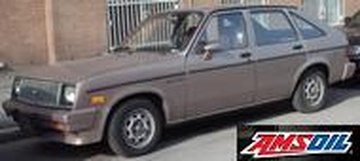
Maintenance Guide for the 1983 Chevrolet Chevette 1.6L
Maintaining an older vehicle like the 1983 Chevrolet Chevette requires consistent attention to fluid levels and component health to ensure continued operation. While many aspects of vintage vehicle maintenance are straightforward, using the correct fluids is a fundamental requirement for protecting internal engine and transmission components.
What transmission fluid is listed for my 1983 Chevrolet CHEVETTE 1.6L?
The following automatic transmission fluids are listed for this vehicle: ATFPK-EA (Signature Series Multi-Vehicle Synthetic Automatic Transmission Fluid), OTFQT-EA (OE Multi-Vehicle Synthetic Automatic Transmission Fluid), ATD1G-EA (Torque-Drive® Synthetic Automatic Transmission Fluid), ATLPK-EA (Signature Series Fuel-Efficient Synthetic Automatic Transmission Fluid), and OTLQT-EA (OE Fuel-Efficient Synthetic Automatic Transmission Fluid).
Engine Oil Selection and Viscosity
The engine oil serves as the primary lubricant for the internal moving parts of your 1.6L engine, reducing friction and helping to dissipate heat. For this specific application, 5W-30 is the database-allowed viscosity. Selecting an oil that meets these requirements helps maintain the necessary film strength required for the engine's operating temperatures and mechanical clearances.
When choosing between conventional, synthetic blends, or full synthetic oils, consider how you use the vehicle. Synthetic oils generally offer better stability across a wider range of temperatures, which can be beneficial for older engines that may experience varying thermal loads. Always ensure that any oil selected aligns with the viscosity requirements provided for your specific engine code.
Monitoring Fluid Levels Regularly
One of the most effective ways to prevent mechanical failure is through regular fluid inspections. For both the engine and the transmission, checking levels while the vehicle is on level ground is essential for an accurate reading. Engine oil should be checked using the dipstick, ensuring the vehicle has been sitting long enough for the oil to settle in the pan.
Low fluid levels can lead to increased component wear, overheating, or even catastrophic engine failure if the system runs dry. If you notice a significant drop in fluid levels between inspections, it may indicate a leak or internal consumption that requires professional diagnostic attention. Keeping a clean rag handy to wipe the dipstick before taking a reading will ensure you are seeing an accurate level.
Identifying Potential Leaks
Leaks can originate from various gaskets, seals, or connections throughout the engine bay and under the chassis. Common areas for oil leaks include the valve cover gasket, oil pan gasket, and various seal points where moving shafts exit the engine block. Transmission fluid leaks may appear as different colored or textured spots on your driveway compared to engine oil.
If you observe fresh fluid pooling under the vehicle after it has been parked, inspect the area to identify the source. While small amounts of seepage are common in older vehicles, active drips or puddles should be addressed promptly. Addressing a minor leak early can prevent the loss of critical lubrication and protect other components from being contaminated by leaking fluids.
The Importance of Cleanliness
Maintaining a clean engine bay and ensuring that no contaminants enter your fluid reservoirs is vital for long-term reliability. Dirt, dust, and moisture can degrade the effectiveness of both engine oil and transmission fluid. When opening a filler cap or checking a dipstick, ensure the surrounding area is free of debris to prevent particles from falling into the system.
Contaminated fluids can cause abrasive wear on bearings, gears, and other precision surfaces. If you notice that your oil appears excessively dark, gritty, or milky, it may be a sign of contamination or degradation. Following the manufacturer's recommended maintenance schedule for fluid changes is the best way to ensure that old, contaminated fluid is replaced with fresh, clean lubricant.
General Maintenance Scheduling
To keep your 1983 Chevrolet Chevette running efficiently, you should adhere to a consistent maintenance routine. Because specific mileage or time intervals are not provided in this technical summary, it is essential to consult your owner's manual or the manufacturer's official maintenance schedule. These resources provide the necessary guidance on when to perform oil changes, filter replacements, and fluid inspections.
A proactive approach—performing inspections more frequently than the manual suggests—can help you catch potential issues before they become expensive repairs. Pay close attention to any changes in engine sound, driving feel, or fluid color, as these are often the first indicators that a maintenance task is required.
BUYING ENGINE OIL
When you are ready to purchase lubricant for your vehicle, focus on matching the specific viscosity requirements listed for your 1.6L engine. Ensure that any product you select is clearly labeled with the correct SAE grade. It is helpful to check the container for compatibility with your specific engine type and to consider whether a synthetic or conventional formula best fits your driving habits. Always verify that the oil meets the standards required for your vehicle's application before completing your purchase.